Field guide · Property and land
Before you start: a field guide to the property valuation consultation
Wondering what an unused plot, an outbuilding or a long driveway is really worth, or whether it could add some extra income from home? This guide explains how a valuation consultation works, who it suits and what the first steps look like.
Most owners know the corner they never quite use. The paddock behind the house. The barn that stopped being a barn years ago. The wide driveway that sits empty from breakfast to bedtime. It is tempting to leave all of that alone, mostly because nobody ever explains what a sensible first question would be.
That first question is what this guide is about. We will walk through what a property valuation consultation is, what happens on the call and what you are agreeing to when you ask for one. Read it the way you would take advice from a neighbour over the fence: specific, friendly and without hurry.

What a valuation consultation is, in plain terms
Topic · The basics
The name sounds heavier than the thing. A valuation consultation is a conversation with a specialist about a piece of property: a house, a plot of land, an outbuilding, a stretch of driveway or a commercial roof. You describe what you have. The specialist asks how it is reached, how it is used today and what surrounds it. The aim is a realistic picture of what the place is worth on the market, and what else it could be used for.
The route in this guide is request-based. You read how it works, open the assessment page on this same site, answer a few short questions about your land or space and leave your contact details. A specialist then phones to talk it through. It is a consultation, not a contract, and what happens afterwards is your decision.
It suits homeowners, land owners and adults with a space or a skill they have not put to full use: a paddock, a barn, a garage, a driveway near a station, a large roof. It also suits owners who want a second opinion before selling or leasing. Nobody has to arrive knowing the vocabulary. The specialist brings that part.
The assessment page opens with a few short questions about your land or space.
Check your land or property valueWhat to bring and how the first steps go
Topic · First steps
Preparation is lighter than most first-timers expect. Think of it as gathering what you already know about the place, not producing paperwork.
From there, the first steps run in a fixed order.
- You read. This guide and the assessment page explain what the check covers, so nothing on the call comes as a surprise.
- You answer. The check asks what type of land or space you own, whether vehicles can reach it and how it is used at the moment.
- You leave your details. The request form takes your name, email address and phone number, plus a note about the property if you want to add one.
- A specialist calls. The call is where your answers meet local knowledge: access, grid proximity, zoning and what tends to work for comparable spaces nearby.
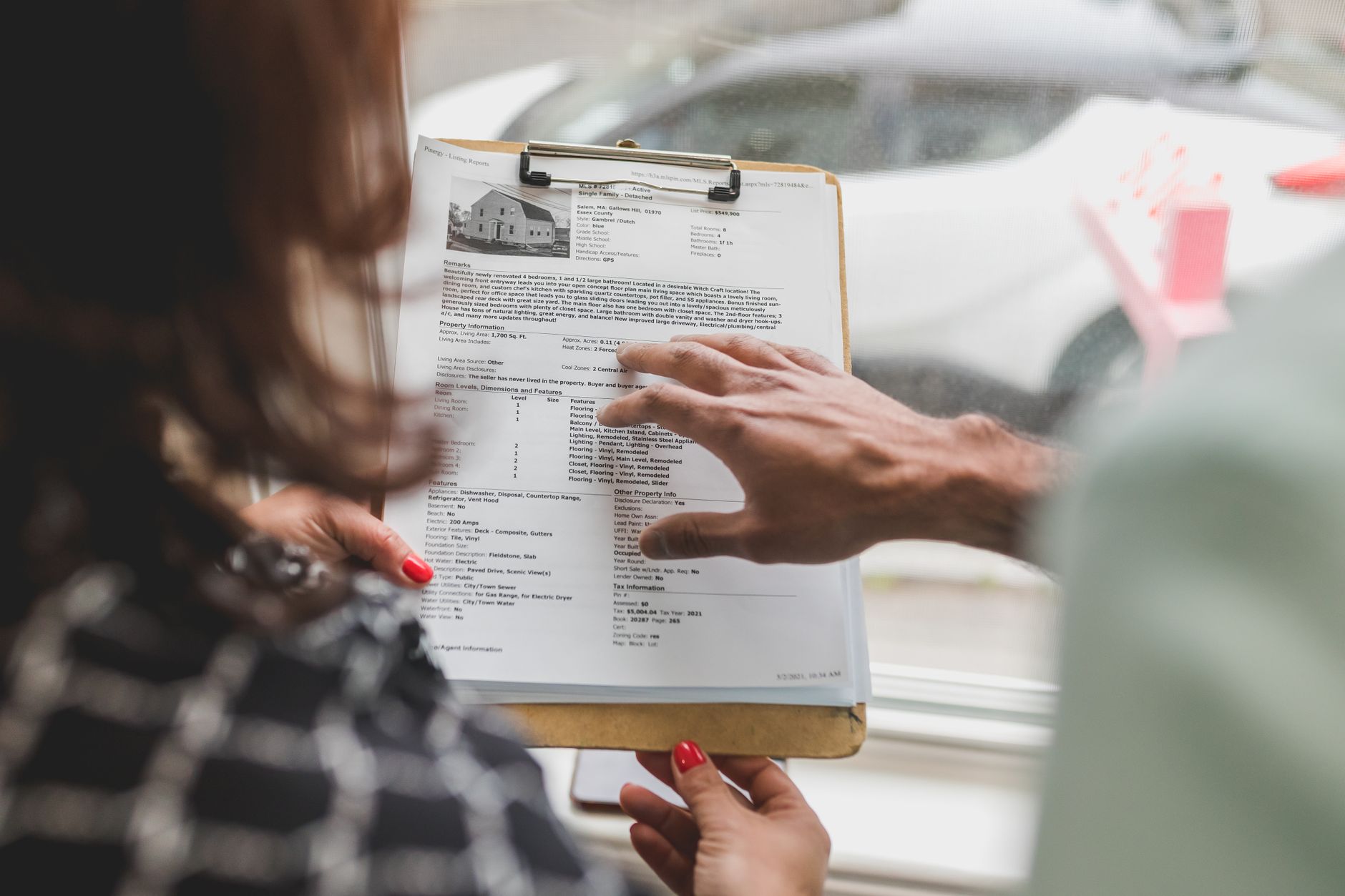
A word on pace. The check is flexible. You can fill it in at the kitchen table, in your own time, and arrange the call around the rest of your week. Taking extra income from home seriously still means setting aside real time for the questions, the call and whatever follows from it.
The request form takes only a few minutes to complete.
Request a local comparative reviewQuestions beginners ask before they book
Topic · Plain answers
These are the questions a first-timer tends to raise. The answers are short on purpose.
Who carries out the review?
Independent specialists conduct the consultations. Land & Space Leasing Desk says a specialist reviews the parcel or space specifications on a consultation call to see which commercial or private leasing models fit the location. Its request page is hosted on this site, which is why the next step stays one click away.
What can an idle plot or outbuilding be used for?
Depending on road access, grid proximity and local zoning, Land & Space Leasing Desk says idle parcels and outbuildings are leased by businesses for secure vehicle or equipment storage, commuter parking, solar installations or micro-warehousing. It adds that any past-case examples it shows are illustrations, and that outcomes depend on parcel size, road access, zoning and local commercial demand.
Does it cost anything to ask?
Land & Space Leasing Desk says there is no fee to join. What the request does ask for is your contact details, so that a specialist can call.
Do I need to know the property vocabulary?
No. Expect to describe the place in your own words: what it is, how vehicles reach it and how it is used today. The specialist translates that into the language of zoning, access and local demand.
What happens after I send the request?
A specialist phones to go through your answers. The call is a non-binding consultation. You can ask questions, set what you hear against your own plans and decide whether to take anything further.
Is it available where I live?
The assessment page says it is available in all supported markets and languages, and the form is written in plain English.
A call can be requested from the same page.
Schedule a short specialist callWhere extra income from home fits in, and where it does not
Topic · The honest picture
Leasing a plot or a space is local business, and every location has its own answer. Extra income from home is a fair reason to look into a call like this, and it is also the part with the most moving pieces.

What the call can clear up
- Which commercial or private leasing models might fit the location.
- How road access, grid proximity and zoning shape those options.
- What to ask a tenant, buyer or agent once you have heard the choices.
- A clearer list of what to prepare if you decide to go ahead.
What only time and the market settle
- Land and property values follow exact location, zoning, condition, comparable recent sales and buyer demand at the time of a sale.
- Renting out a property, leasing land or running a home-based service calls for local permits, preparation and active management.
- Past-case examples, such as an owner learning their land had been underpriced, are historical illustrations. They never promise any other property's valuation or sale price.
- Leaving contact details on a valuation page means real estate agents or property valuation partners may call or email you about the property and a possible sale.
If a call sounds useful, the next step sits on this same site. Answer the questions in your own time, leave your details and a specialist takes it from there. If it does not, closing the page changes nothing.
The assessment page is one click away.
Request a local comparative review